
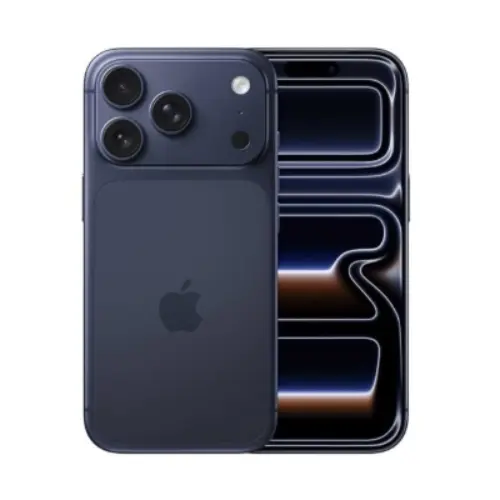
Apple iPhone 18 Pro in Kenya
The iPhone 18 Pro price in Kenya is KES 221,000. It is a flagship handset that offers Apple's full Pro experience without the large size of the Pro Max. It shares the exact same 2nm A20 Pro chip and the exact same triple-48MP camera system as the Pro Max, including the new variable-aperture main lens and the 4x periscope telephoto. Its main differences include a smaller 6.3-inch screen and a smaller battery, so you get identical performance and photography in a phone that's genuinely comfortable in one hand. You get a 2-year warranty at Smartphones Planet Kenya.
iPhone 18 Pro Full Specifications:
| Software | iOS 27 |
| Chip | Apple A20 Pro (2nm), 8-core GPU |
| RAM | 12GB |
| Storage | 256GB / 512GB / 1TB NVMe (no microSD) |
| Display | 6.3-inch LTPO Super Retina XDR OLED, 1-120Hz |
| Resolution | 1206 x 2622, 458 ppi |
| Glass | Ceramic Shield 2, anti-reflective coating |
| Main camera | 48MP, variable aperture f/1.6-4.0, sensor-shift OIS |
| Telephoto | 48MP periscope, 4x optical, 3D sensor-shift OIS |
| Ultrawide | 48MP, 120°, PDAF |
| Depth | LiDAR scanner |
| Video | 4K up to 120fps, ProRes, ProRes RAW, Apple Log 2, spatial video |
| Front camera | 25MP multi-aspect, f/1.9, Face ID |
| Battery | 4288mAh (eSIM) / 4056mAh (nano-SIM model) |
| Wired charging | USB-C PD, ~50% in 20 min |
| Wireless | 25W MagSafe/Qi2 (15W China), 4.5W reverse wired |
| Water/dust | IP68, up to 6m for 30 min |
| Build | Aluminium frame, Ceramic Shield / glass back |
| SIM | Nano-SIM + eSIM (international); eSIM-only (US); dual nano-SIM (China) |
| Wi-Fi | Wi-Fi 7, tri-band |
| Bluetooth | 6.0 |
| UWB | Yes (gen2) |
| Satellite | Emergency SOS, Messages, Find My (region dependent) |
| Positioning | GPS (L1+L5), GLONASS, GALILEO, BDS, QZSS, NavIC |
| Security | Face ID |
| USB | USB-C 3.2 Gen 2, DisplayPort |
| Colours | Coffee Brown, Purple, Burgundy |
| Price | KES 221,000 |
| Warranty | 2 Years |
A Compact 6.3-Inch Display:
The 6.3-inch LTPO Super Retina XDR OLED is the whole reason to pick the Pro over the Max: a top-tier screen in a size you can actually use one-handed. It runs the full 1-120Hz ProMotion range, dropping low to save power and ramping to 120Hz for smooth motion, and adds the new anti-reflective coating over Ceramic Shield 2 that cuts glare and makes the phone far easier to read in direct sun, a real benefit outdoors in Kenya. At 458 ppi with Dolby Vision and HDR10, it's pin-sharp for photos and films despite the smaller footprint, and the LTPO panel helps stretch the compact battery.
The Cameras:
This is where the Pro punches above its size. The rear system is the same three 48MP sensors as the iPhone 18 Pro Max, no compromises. The main camera's f/1.6-4.0 variable aperture lets you optically control depth of field, wide open for low light and blur, stopped down for front-to-back sharpness, which is new to iPhone this year. The 48MP periscope telephoto gives 4x optical zoom with 3D sensor-shift stabilisation, and being 48MP (not 12MP), cropping into that zoom stays detailed. The 48MP ultrawide handles wide and macro, backed by a LiDAR scanner for fast low-light focus. Video is fully pro-grade: 4K up to 120fps, ProRes, ProRes RAW, Apple Log 2, and spatial video. The Pro even edges the Max on the front camera, a 25MP multi-aspect selfie sensor (versus 18MP on the Max in this listing) that shoots landscape without turning the phone.
Performance:
The A20 Pro and 12GB of RAM are identical to the Pro Max, so performance is too: this is among the fastest phones you can buy, comfortable with demanding games, on-device 4K ProRes editing, and Apple Intelligence AI features, and it'll stay quick for years. Storage runs 256GB to 1TB on fast NVMe (the Max's 2TB tier is the one option you don't get here), with no microSD, so pick your size with your photo and video habits in mind. The USB-C port is the fast 3.2 Gen 2 standard with DisplayPort out for quick file transfers and external displays.
Battery and Charging:
Choosing the smaller Pro means accepting a smaller battery; this is the honest trade-off. The eSIM-only version holds 4288 mAh; the physical SIM version holds 4056 mAh, since the SIM tray occupies space. Both comfortably last a full day for typical use thanks to the efficient 2nm chip and LTPO screen, but heavy users will notice less spare capacity than the Max offers. Charging keeps pace: roughly 50% in 20 minutes wired via USB-C PD, 25W MagSafe/Qi2 wireless (15W on China units), and 4.5W reverse wired for accessories. If battery life is your single biggest priority, the Max is the better pick; if size and one-hand comfort matter more, the Pro is the one.
Durability, Satellite Safety, and Connectivity
Like the Max, the Pro uses an aluminium frame with Ceramic Shield 2 front glass and keeps a strong IP68 rating good to 6m for 30 minutes, deeper than most rivals. Satellite Emergency SOS, Messages, and Find My work with no cellular signal, a valuable safety net off-grid, though satellite service availability varies by region, so confirm coverage for Kenya. Connectivity is complete: 5G, tri-band Wi-Fi 7, Bluetooth 6.0, second-gen UWB, NFC with Apple Pay, and Face ID. It runs iOS 27 and comes in Coffee Brown, Purple, and Burgundy.